Why Active Travellers Love Whistler’s Shoulder Seasons
There is a different side to Whistler that reveals itself between the peaks of the season. It arrives in the quieter weeks of late autumn and early winter, then returns again through spring, when the pace softens and the Village settles into something more spacious and open.
For many active travellers, these shoulder-season windows are among the best times to be here. Late November to mid-December and mid-April through early June may not come with the same intensity as peak ski weeks or the height of summer, but that is part of the appeal. There is more room to move, more flexibility in the day, and more space to focus on the things that often get lost during busier periods: routine, conditioning, recovery and time outdoors without the rush.
Whistler still feels unmistakably like Whistler during these moments. The mountains remain central, the Village keeps its energy, and the local events calendar continues to add shape to the season. But the atmosphere shifts in a way that many travellers find easier, more balanced and surprisingly rewarding.
Late Autumn and Early Winter: A Time to Prepare
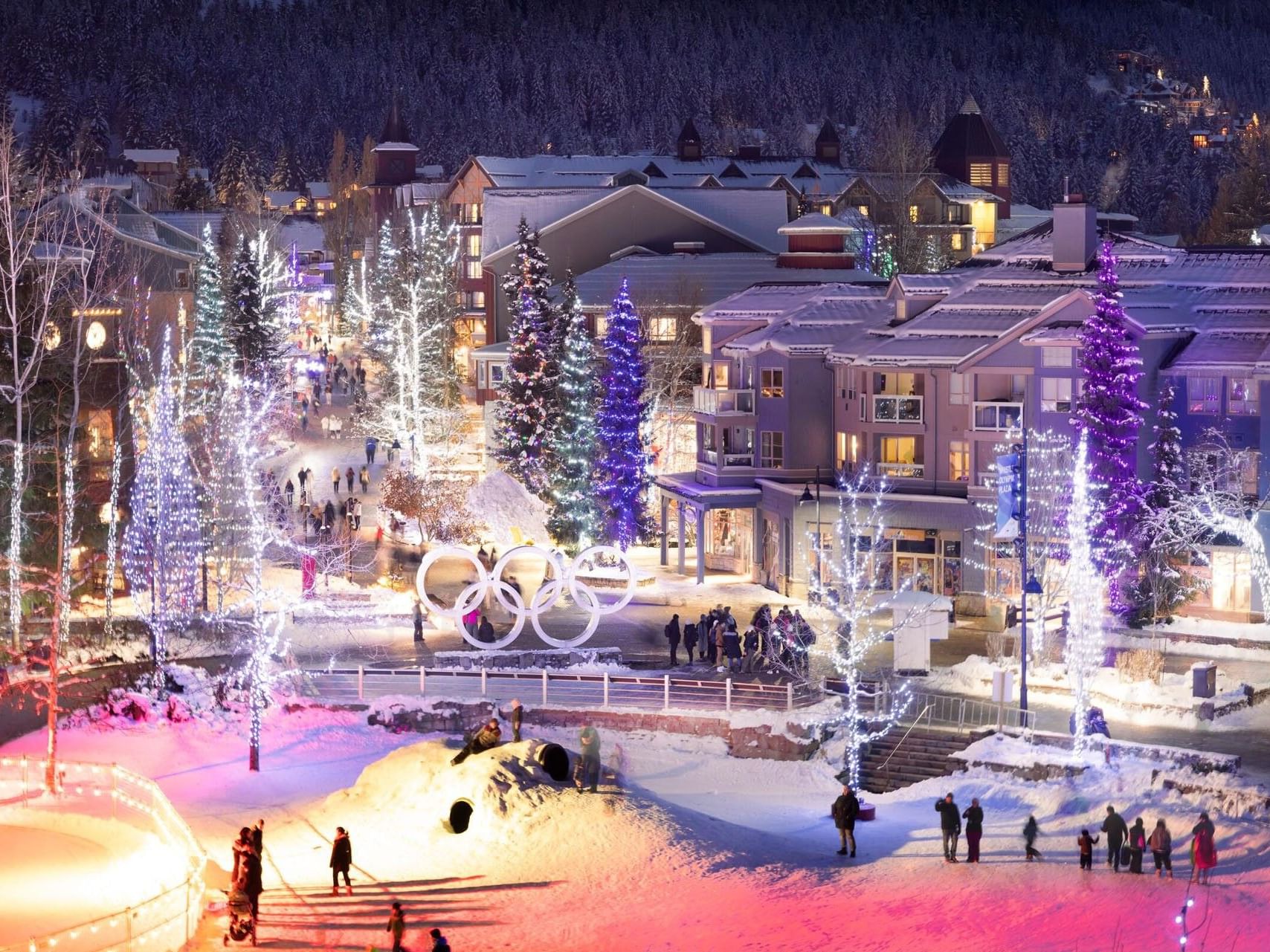
In late November and early December, Whistler starts leaning into winter. Holiday lights appear, the air sharpens and the sense of anticipation becomes part of the atmosphere. It is not always about chasing peak conditions straight away. Often, it is about settling into the destination before the busiest weeks begin.
For active travellers, this can be an ideal time to focus on preparation. Mornings might begin with a run, strength session or walk, while afternoons leave space for work, wellness or time in the Village. The reduced crowds make routines easier to keep, and there is a certain satisfaction in experiencing Whistler before the festive rush fully arrives.
This period also brings one of the Village’s key seasonal events: the Whistler Film Festival. Held each December, it draws creatives, industry voices and visitors looking for a cultural layer to complement the outdoors. It adds momentum to the season without overwhelming it, making early winter feel quietly energised rather than crowded.
Staying Active Without Overcomplicating It
One of Whistler’s strengths is that movement feels naturally built into the destination. During shoulder season, that becomes even more noticeable.
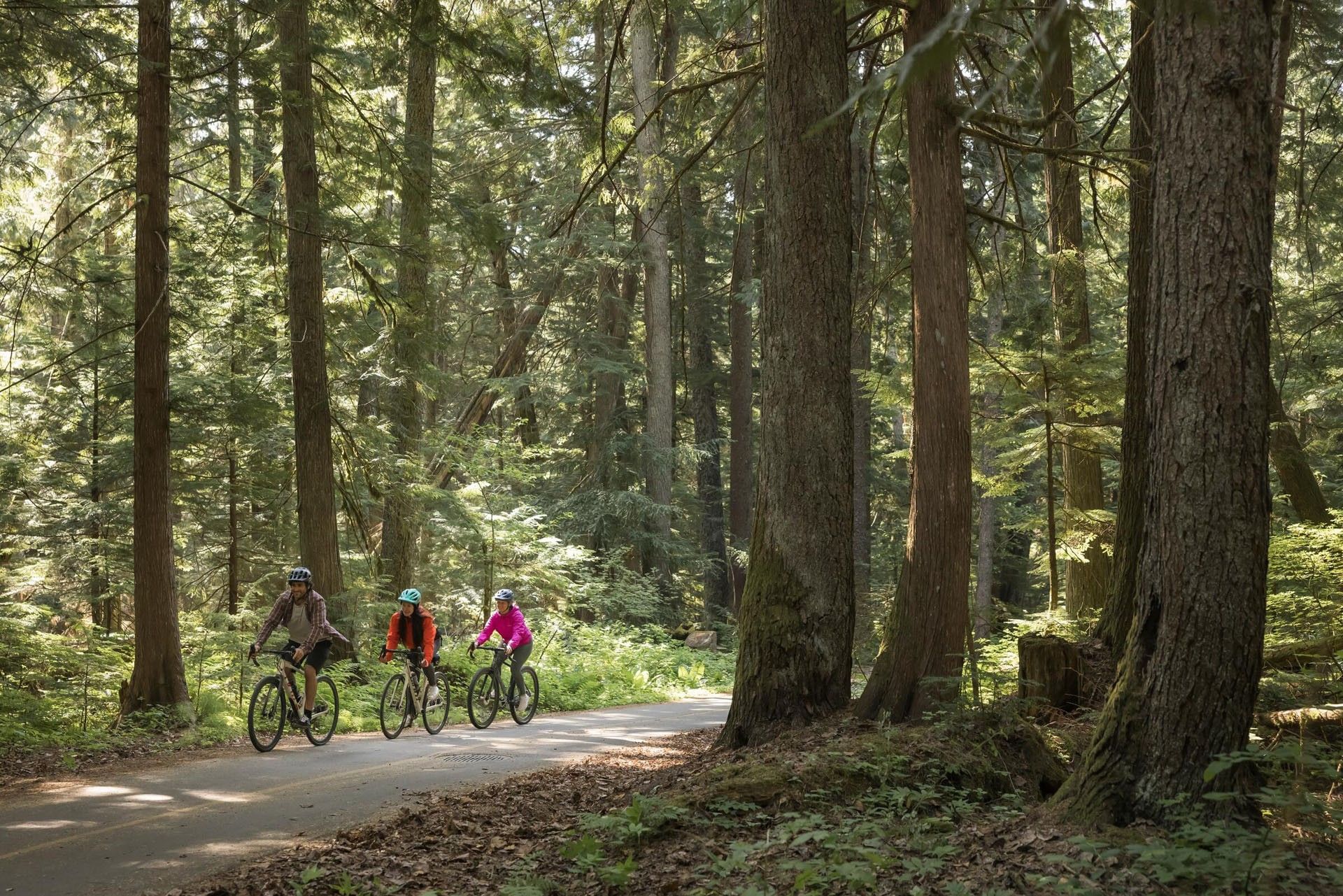
The Valley Trail is one of the easiest ways to stay active while keeping the day flexible. With more than 40 kilometres of paved pathways linking the Village, lakes and neighbourhoods, it works equally well for morning runs, recovery rides, longer walks or simply spending more time outside between plans. In shoulder season, it often becomes less of an activity in itself and more of a daily habit.
For those looking to build in more structured training, The Core Whistler offers climbing, conditioning equipment, fitness classes and indoor training space just a short walk from Aava Whistler. It is especially useful during variable weather or when the mountains are in transition between seasons.
Back at the hotel, Aava Whistler’s fitness centre adds another layer of convenience. Sometimes the most effective workout is simply the one that fits easily into the day, and having a space on site helps maintain that consistency without adding friction.
Recovery Deserves More Attention Than It Usually Gets
If shoulder season creates more room for training, it also creates more room for recovery. That matters. For anyone who skis, rides, runs, hikes or travels regularly, proper recovery can shape the quality of the entire trip.
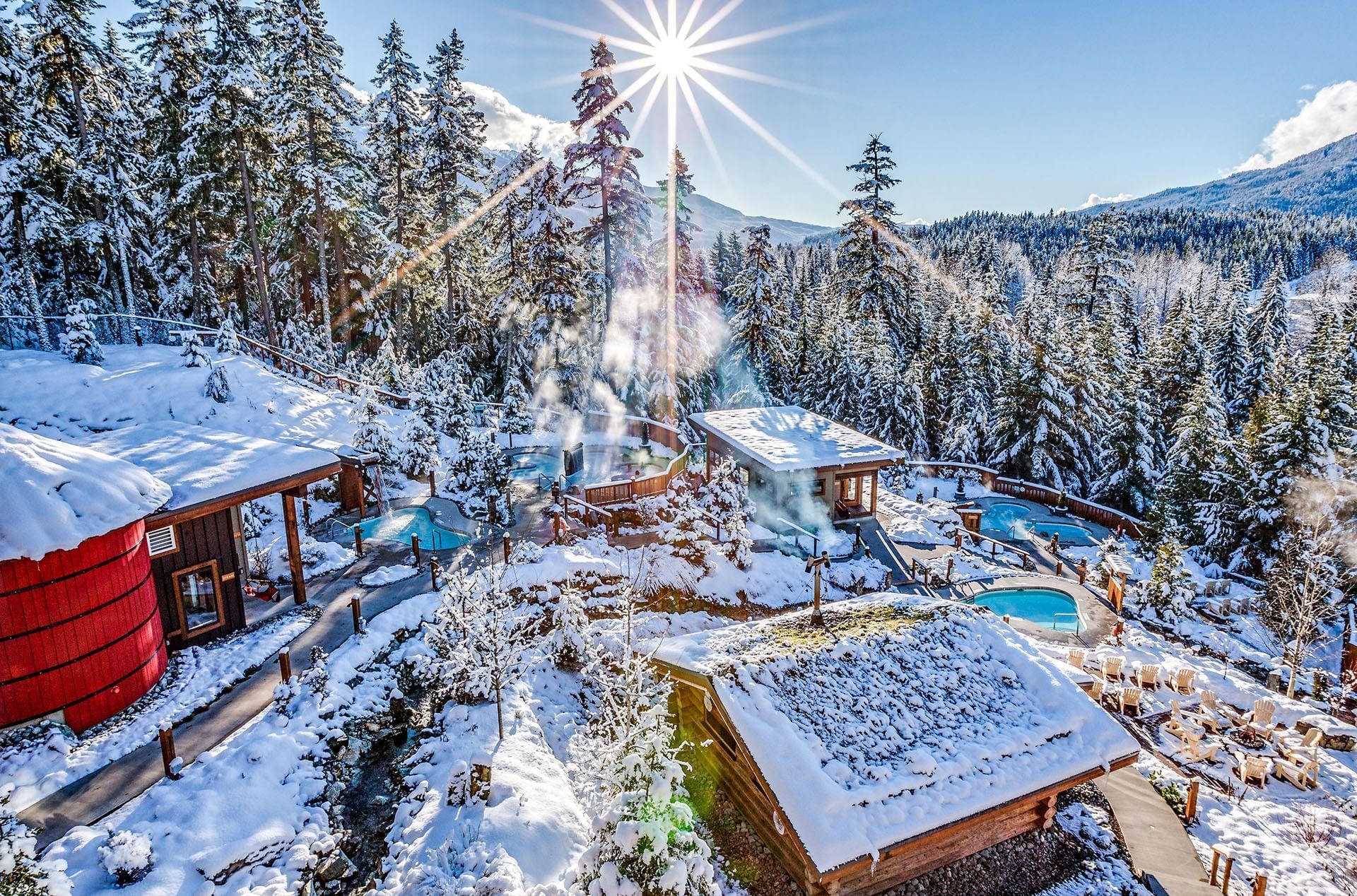
Whistler offers several ways to approach it, depending on the pace you want. Scandinave Spa Whistler remains one of the destination’s best-known wellness experiences, with hot baths, cold plunges, saunas and outdoor relaxation spaces set within forest. It is a strong choice for travellers who want to slow down more fully and make recovery part of the day rather than something squeezed in at the end.
Lotus Spa adds another option through massage therapy and treatments that support recovery after travel, training or longer periods of time spent outdoors.
At Aava Whistler, the shift into recovery can be even more immediate. The heated outdoor pool, hot tub and sauna are just steps from your room, making it easy to unwind after a run on the Valley Trail, a session at The Core or a day spent exploring the Village. There is something particularly satisfying about that simplicity — no extra planning, no travel time, just a natural move from activity into rest.
Spring Brings a Different Kind of Momentum
If late autumn and early winter are about building towards the season ahead, spring in Whistler is about variety. From mid-April through early June, the destination shifts again, creating one of its most versatile times of year.
Depending on conditions, spring can bring a mix of activities that is hard to match elsewhere. A single stay might include running on the Valley Trail, early-season cycling, lower-elevation hiking, strength training, time at the spa and even a round at Whistler Golf Club. There is a looseness to spring in Whistler that makes it particularly appealing for travellers who enjoy staying active without committing to just one thing.
The mood changes too. Days begin to stretch, the air softens and the Village starts leaning towards summer, while still holding on to some of winter’s energy. It is a season of movement, but not urgency.
The Events That Give Shoulder Season Its Shape
Quieter does not mean empty. One of the reasons Whistler’s shoulder seasons feel so rewarding is that they still carry moments of energy and occasion through the local calendar.
In late autumn, Cornucopia brings food, wine and culinary experiences from across British Columbia into the Village. It is an especially good fit for travellers who like to balance active days with good meals and a more social evening atmosphere.
Early winter’s Whistler Film Festival adds a creative pulse, with screenings and events that bring a slightly different crowd and perspective to the destination.
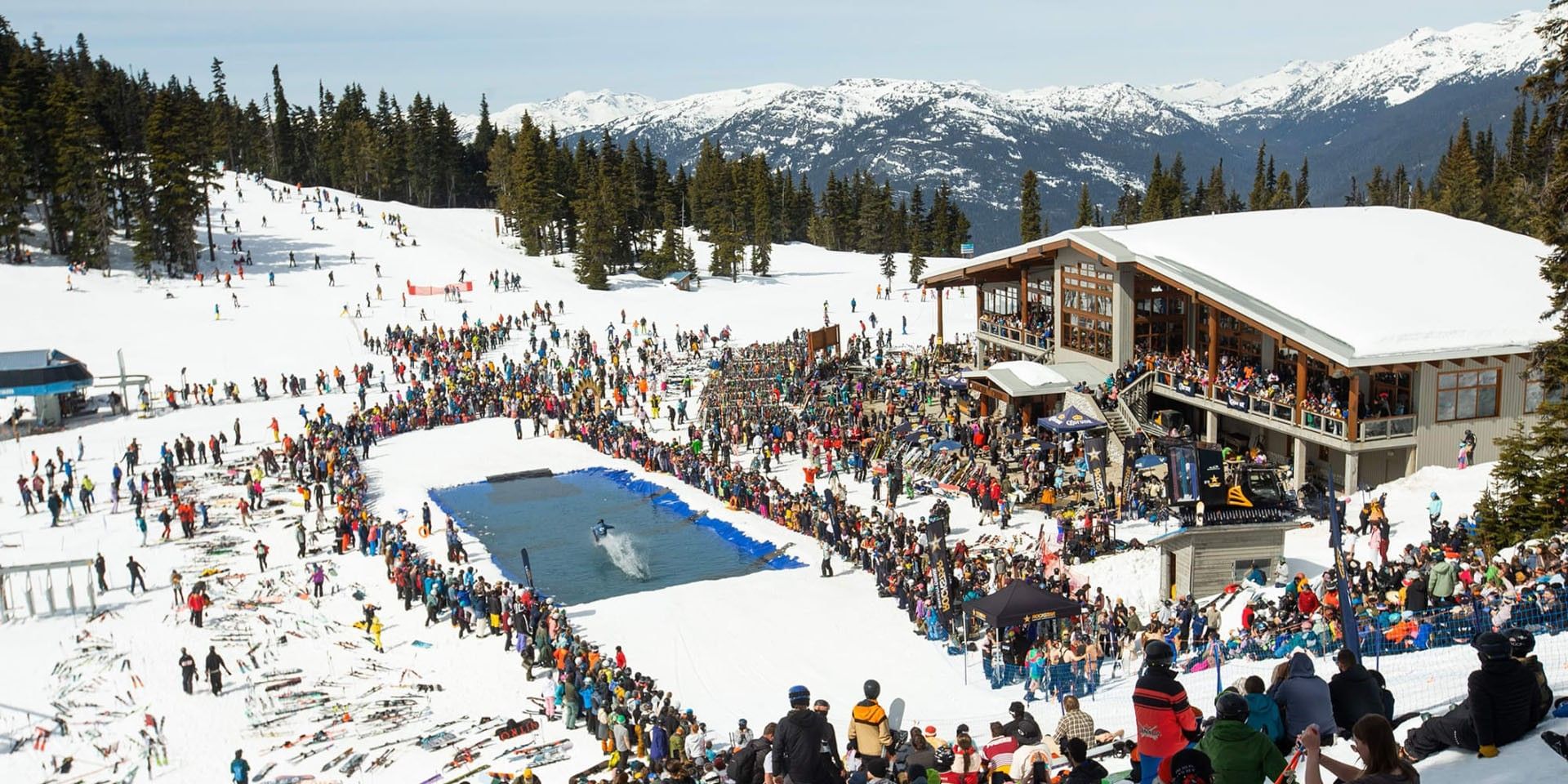
Then in spring, the World Ski & Snowboard Festival helps define the season’s identity. More than a sporting event, it blends snow sports, music, art and mountain culture in a way that feels distinctly Whistler. It brings the Village to life while still sitting within a season that feels more relaxed than the busiest winter periods.
Why This Season Works So Well at Aava Whistler
Shoulder-season travellers often want something slightly different from Whistler. They may be less focused on ticking off major attractions and more interested in maintaining routines, training well, recovering properly and experiencing the destination in a way that feels more natural and sustainable.
That is where Aava Whistler fits especially well. With direct access to the Valley Trail, easy proximity to the Village, on-site fitness and recovery amenities, and a location that keeps Whistler’s seasonal events and activities within easy reach, the hotel supports a style of travel built around movement, balance and ease.
Whether the plan is to prepare for winter, keep training through spring, extend a work trip or simply enjoy Whistler at a quieter pace, shoulder season has a lot to offer — and Aava gives it the right kind of base.
 Sign up